


025 stands as one of the most devastating years in recent history for millions of people trapped in armed conflict and gross violations of international law across the globe. While many of those conflicts make headlines: Afghanistan, Gaza, Sudan, or the eastern Democratic Republic of Congo, they’re only a portion of the crisis. According to Geneva Academy’s “Today’s Armed Conflicts” portal, over 110 armed conflicts were recorded in 2025—placing this year among the worst since the Second World War.
It is tempting to conclude that institutions have failed these populations, but that explanation is only partially true. Assigning failure solely to “systems” distances ourselves from responsibility. The deeper truth is that institutions are not abstractions; they are composed of human beings. Every government and organization operates through individual choices—shaped daily by the values we hold, the laws we uphold, the empathy we extend, and the integrity we bring to positions of power.
History is not something that happens to us. It is shaped by us. As we move into 2026, our shared challenge is to rise not out of obligation, but out of conviction. The question before us is whether we are ready to unleash our shared humanity and defend an international world order grounded in the rule of law, the United Nations Charter, and universal human rights.
We do not need to search for solutions in the fog of realpolitik. We are the solution—imperfect, but also capable, steadfast, and accountable. Somewhere, something extraordinary is waiting to be realized: our own untapped power as human beings when we dare to awaken and act. We are called not to nostalgia or despair but to renewal.The world does not simply need witnesses—it needs human beings prepared to live their values and build a future anchored in justice, peace and collective security.
When the global becomes personal, and “humanity” becomes each individual human being, our roles become clear. We each hold a share of responsibility for translating international law into lived reality and responding to the millions of voices pleading for protection, justice, dignity, and hope.
This truth was articulated at the birth of the United Nations. When Dr. Eduardo Zuleta Angel of Colombia opened the first UN General Assembly in 1946, he offered a message that still resonates nearly eighty years later:
“In this we shall not fail. An inner voice tells us that, animated by a broad and sincere feeling for humanity, we can lift up our hearts…”
We do not need another platform. We need a new path. It does not rest on conferences and declarations alone. It rests on people—those with inner strength, moral clarity, and a sincere commitment to humanity. These are the individuals within governments, institutions, civil society and communities who shape the future and honor the call of the UN Charter of 1945: to save succeeding generations from the scourge of war and to build lasting justice, peace and security.


a global affairs media network
When systems fail, humanity rises
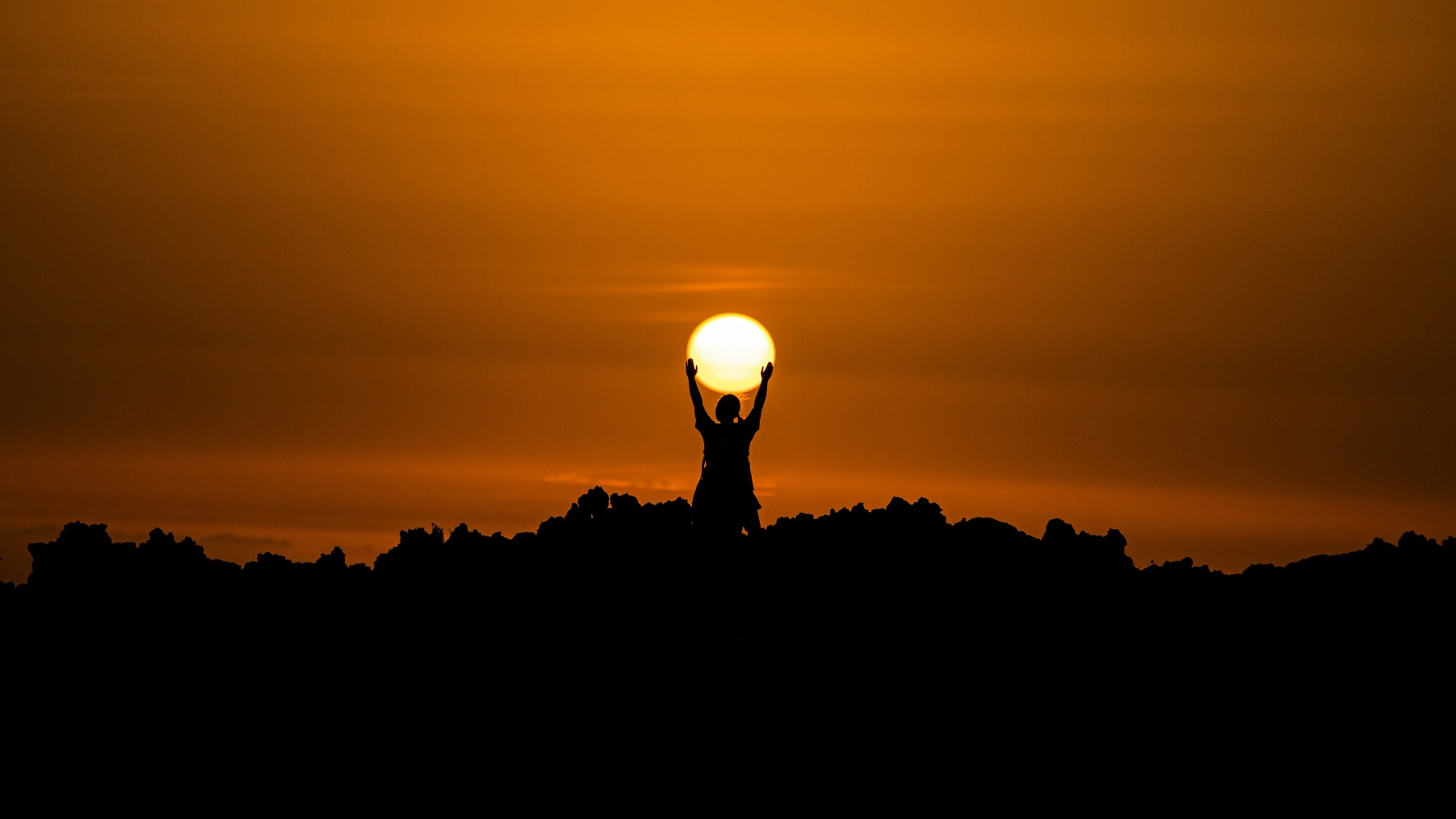
Photo by David Monje on Unsplash
December 8, 2025
With over 110 armed conflicts recorded in 2025, it is tempting to conclude institutions failed these populations. But institutions are composed of humans; rather than despair and blame we should focus our efforts on renewal, writes Yasmine Sherif.
2
025 stands as one of the most devastating years in recent history for millions of people trapped in armed conflict and gross violations of international law across the globe. While many of those conflicts make headlines: Afghanistan, Gaza, Sudan, or the eastern Democratic Republic of Congo, they’re only a portion of the crisis. According to Geneva Academy’s “Today’s Armed Conflicts” portal, over 110 armed conflicts were recorded in 2025—placing this year among the worst since the Second World War.
It is tempting to conclude that institutions have failed these populations, but that explanation is only partially true. Assigning failure solely to “systems” distances ourselves from responsibility. The deeper truth is that institutions are not abstractions; they are composed of human beings. Every government and organization operates through individual choices—shaped daily by the values we hold, the laws we uphold, the empathy we extend, and the integrity we bring to positions of power.
History is not something that happens to us. It is shaped by us. As we move into 2026, our shared challenge is to rise not out of obligation, but out of conviction. The question before us is whether we are ready to unleash our shared humanity and defend an international world order grounded in the rule of law, the United Nations Charter, and universal human rights.
We do not need to search for solutions in the fog of realpolitik. We are the solution—imperfect, but also capable, steadfast, and accountable. Somewhere, something extraordinary is waiting to be realized: our own untapped power as human beings when we dare to awaken and act. We are called not to nostalgia or despair but to renewal.The world does not simply need witnesses—it needs human beings prepared to live their values and build a future anchored in justice, peace and collective security.
When the global becomes personal, and “humanity” becomes each individual human being, our roles become clear. We each hold a share of responsibility for translating international law into lived reality and responding to the millions of voices pleading for protection, justice, dignity, and hope.
This truth was articulated at the birth of the United Nations. When Dr. Eduardo Zuleta Angel of Colombia opened the first UN General Assembly in 1946, he offered a message that still resonates nearly eighty years later:
“In this we shall not fail. An inner voice tells us that, animated by a broad and sincere feeling for humanity, we can lift up our hearts…”
We do not need another platform. We need a new path. It does not rest on conferences and declarations alone. It rests on people—those with inner strength, moral clarity, and a sincere commitment to humanity. These are the individuals within governments, institutions, civil society and communities who shape the future and honor the call of the UN Charter of 1945: to save succeeding generations from the scourge of war and to build lasting justice, peace and security.


