


or more than five years, I have been working to explain what self–care truly means in the context of health systems—and I am still surprised by how often it is confused with luxurious wellness practices. In reality, self–care is profoundly ordinary. It is a set of simple, daily, evidence–based actions that people take to prevent disease, manage symptoms, or maintain their health. It means measuring your blood pressure at home, treating a headache properly, or knowing what to do when you catch a cold. It spans every age and every condition—from the womb to old age, from infectious diseases to chronic ones. While it may appear basic, it represents one of the most powerful untapped levers for strengthening health systems worldwide.
We often forget that behind these small actions lies a profound human need: the desire to face illness with dignity. When people fall ill, develop a chronic condition, or simply grow older, many feel confused by the system. For those who are poor, isolated, or less educated, this sense of vulnerability and helplessness can be overwhelming. I have seen this in my own family with my aging parents. Navigating complex health decisions made them feel dependent and uncertain. But giving them a simple self–care framework—what to monitor, how to manage symptoms, when to seek help—transformed their experience. It empowered them to feel confident and in control again. That personal experience continues to shape how I see the real potential of self–care.
At its core, self–care is about recognizing that individuals are not passive recipients of healthcare; they are integral members of the care team. When people have the knowledge, confidence, and tools to take the right action at the right time, the benefits ripple far beyond personal wellbeing. The impact is societal: improved quality of life, more productive days, fewer hours spent traveling to and waiting in health facilities. It is economic: reduced strain on national health budgets and more efficient allocation of resources. It is clinical: billions of hours of physician time freed for cases that truly require medical intervention.
Around the world, financial pressure on health systems is intensifying as populations age and expectations for convenience and better outcomes rise. In this environment, self–care is one of the most practical and scalable shifts for the future of health.
The momentum that grew in 2025 is only accelerating in 2026. Self–care is now seen not as a soft concept, but as a strategic transformation—one that reimagines health systems around people’s capacity, agency, and potential. If we unleash it fully, the future of healthcare will not only be more sustainable—it will be more human.


a global affairs media network
Self–care: The quiet signal transforming the future of health
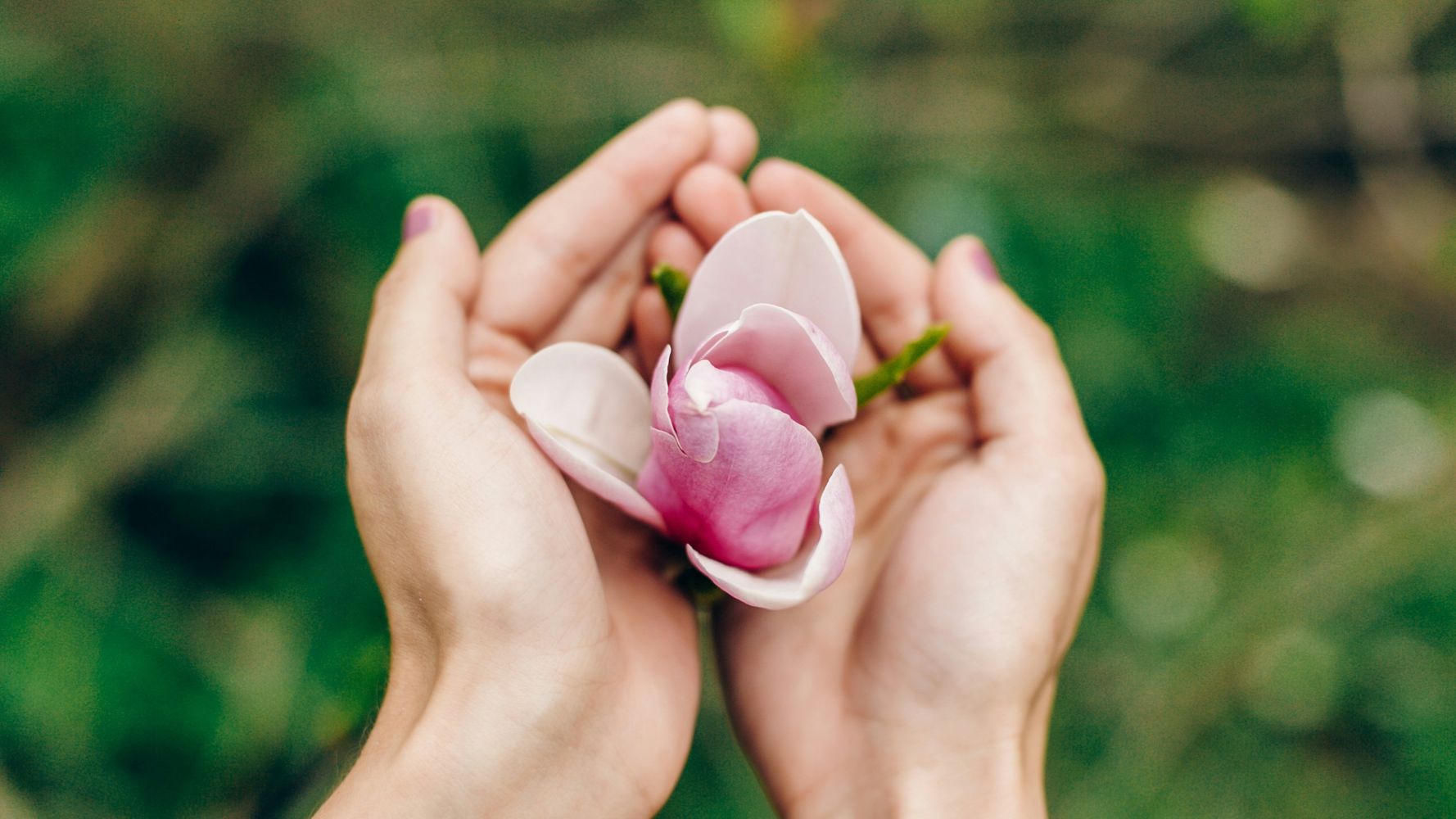
Image via Unsplash+
March 13, 2026
Self-care is emerging as a powerful pillar of modern healthcare, but signals pointing to its efficacy are still being overlooked. The complexity and often cost of healthcare systems makes self-care one of the most powerful tools at our disposal, writes Dr. Amelle Liazoghli.
F
or more than five years, I have been working to explain what self–care truly means in the context of health systems—and I am still surprised by how often it is confused with luxurious wellness practices. In reality, self–care is profoundly ordinary. It is a set of simple, daily, evidence–based actions that people take to prevent disease, manage symptoms, or maintain their health. It means measuring your blood pressure at home, treating a headache properly, or knowing what to do when you catch a cold. It spans every age and every condition—from the womb to old age, from infectious diseases to chronic ones. While it may appear basic, it represents one of the most powerful untapped levers for strengthening health systems worldwide.
We often forget that behind these small actions lies a profound human need: the desire to face illness with dignity. When people fall ill, develop a chronic condition, or simply grow older, many feel confused by the system. For those who are poor, isolated, or less educated, this sense of vulnerability and helplessness can be overwhelming. I have seen this in my own family with my aging parents. Navigating complex health decisions made them feel dependent and uncertain. But giving them a simple self–care framework—what to monitor, how to manage symptoms, when to seek help—transformed their experience. It empowered them to feel confident and in control again. That personal experience continues to shape how I see the real potential of self–care.
At its core, self–care is about recognizing that individuals are not passive recipients of healthcare; they are integral members of the care team. When people have the knowledge, confidence, and tools to take the right action at the right time, the benefits ripple far beyond personal wellbeing. The impact is societal: improved quality of life, more productive days, fewer hours spent traveling to and waiting in health facilities. It is economic: reduced strain on national health budgets and more efficient allocation of resources. It is clinical: billions of hours of physician time freed for cases that truly require medical intervention.
Around the world, financial pressure on health systems is intensifying as populations age and expectations for convenience and better outcomes rise. In this environment, self–care is one of the most practical and scalable shifts for the future of health.
The momentum that grew in 2025 is only accelerating in 2026. Self–care is now seen not as a soft concept, but as a strategic transformation—one that reimagines health systems around people’s capacity, agency, and potential. If we unleash it fully, the future of healthcare will not only be more sustainable—it will be more human.


