


n December, Miami Beach becomes the temporary capital of the art world. Miami Art Week runs from November 30 to December 6, with more than twenty fairs spread from Ocean Drive to Wynwood. Art Basel Miami Beach opens its VIP Preview Days on December 2 and 3 before welcoming the public to the Miami Beach Convention Center from December 4 to 6. On December 1, the day before the fair’s doors open, a smaller curated gathering will take place in its orbit. Diplomacy Makes Sense, an invitation-only Signal Salon, is a collaboration between Diplomatic Courier, the Coalition for Faith & Media, and PVBLIC Foundation. It is co-hosted with Diplomatic Courier’s Signals House, The Global Embassy, and World in 2050 expert network. The Salon brings together leaders from the creative industries, education, health, philanthropy, and diplomacy from 10:30 am to 3:00 pm. Its premise is simple and, in 2026, slightly radical: participants put their devices away, spend the day fully present with art and with one another, and then talk about how shared cultural experience can open minds and make collaboration possible.
Diplomacy is usually described in the language of documents: communiqués, frameworks, red lines, and readouts. Yet anyone who has spent time in a negotiating room knows that agreements tend to follow something less formal and harder to measure — the moment when people stop performing their positions and start paying attention to each other. That moment depends on presence, and presence has become one of the scarcest resources in public life. We arrive at summits carrying the entire world in our pockets, half-listening to the person across the table while answering someone else on another continent.
This year’s Signal Salons and other Diplomatic Courier convenings have circled the same question from many directions. At VivaTech in Paris, one of our sessions asked whether AI is making us worse at being human. During UNGA week in New York, the Education Futures Forum and the Philanthropy Futures Forum asked what kinds of literacy and investment a fractured world will need. In October, we gathered medical experts, industry executives, and funders around maternal health and nutrition. Each conversation ended at a similar place: technology can widen our reach, but trust is still built at human speed, in rooms where people can see and hear one another. That is also why civic and digital agency are considered New Foundational Literacies that education systems must help cultivate. The capacity to choose where our attention goes is now a civic skill as much as a personal one.
Diplomacy Makes Sense takes that conclusion literally and carries it forward. Rather than another panel about connection, it offers an experience of it, staged in two acts and planned during a week when art collectors, curators, cultural institutions, and artists from around the world converge on Miami Beach. Against this backdrop, the salon explores the power of creative expression to sharpen our thinking, give voice to our ideas, and make room for perspectives other than our own.
What’s on the agenda
The salon’s format is as intentional as its subject matter, with each element designed to explore a different dimension of human engagement:
Presence as a precondition. The salon begins with a request: put the phone away. The device-free format is the organizing idea of the event rather than a matter of etiquette, built on the conviction that diplomacy is a sensory practice that works best when people are fully present. What to watch: whether a room without screens produces a noticeably different quality of conversation, and whether or how participants want to carry that discipline into their own convenings in 2027.
Technology, nature, and isolation, rendered in light and sound. Act One is a private tour of immersive art and sensory installations that use light, sound, and movement to examine technology, nature, connection, and isolation. The works are meant to provoke rather than illustrate, giving participants a shared experience to react to before anyone has taken a position. What to watch: which installations elicit differing opinions, because those disagreements are often where the most honest conversations start.
The common table. Act Two moves to a different setting for celebrated local BBQ, served family-style, followed by an unhurried, off-the-record conversation about building trust, inspiring collaboration, and advancing diplomacy. Passing plates is a longstanding diplomatic tradition, and it remains one of the most effective. What to watch: whether the conversation produces concrete commitments between sectors that rarely sit together, such as faith-based media, philanthropy, health, and the arts.
Faith, philanthropy, and culture as diplomatic actors. The co-hosts bring networks that operate well outside traditional foreign ministries. Mario Cader-Frech of the Coalition for Faith & Media, Brooke Zaugg of the Faith & Media Initiative, and Stephen Keppel of the PVBLIC Foundation each work on how stories, values, and resources move across borders and communities. What to watch: how these leaders define trust in their own fields, and where those definitions overlap with the work of diplomats.
From Salon to Signal Brief. Nothing said at the table will be attributed, but the themes will travel. Insights from the day will inform a year-end Signal Brief publication and set the tone for Diplomatic Courier’s 2027 Signal Salons with partners on global challenges and common ground. What to watch: which ideas from Miami become the organizing questions for next year’s convenings, from Davos Dialogues alongside the World Economic Forum Annual Meeting in January to Capital Dialogues in Washington in the spring and UNGA week in New York in September.


a global affairs media network
Light, sound, and a common table: previewing Diplomacy Makes Sense
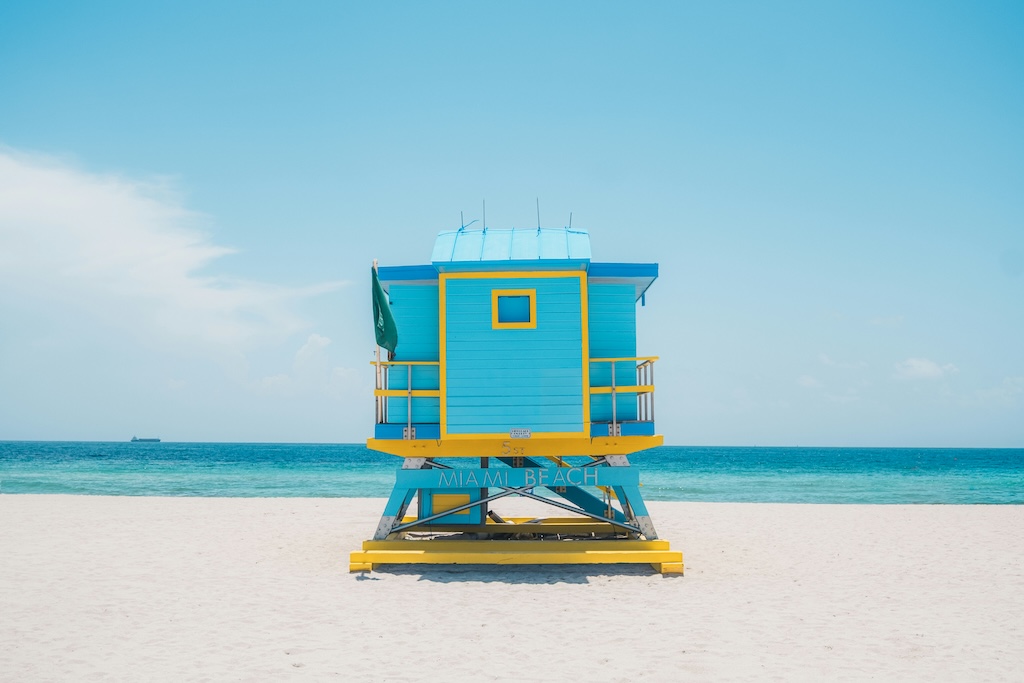
Photo by Dmitry Kropache via Unsplash.
November 29, 2026
Ahead of Art Basel Miami Beach, Diplomatic Courier’s Signal Salon asks leaders to leave their phones at the door and treat presence as the first step toward trust.
I
n December, Miami Beach becomes the temporary capital of the art world. Miami Art Week runs from November 30 to December 6, with more than twenty fairs spread from Ocean Drive to Wynwood. Art Basel Miami Beach opens its VIP Preview Days on December 2 and 3 before welcoming the public to the Miami Beach Convention Center from December 4 to 6. On December 1, the day before the fair’s doors open, a smaller curated gathering will take place in its orbit. Diplomacy Makes Sense, an invitation-only Signal Salon, is a collaboration between Diplomatic Courier, the Coalition for Faith & Media, and PVBLIC Foundation. It is co-hosted with Diplomatic Courier’s Signals House, The Global Embassy, and World in 2050 expert network. The Salon brings together leaders from the creative industries, education, health, philanthropy, and diplomacy from 10:30 am to 3:00 pm. Its premise is simple and, in 2026, slightly radical: participants put their devices away, spend the day fully present with art and with one another, and then talk about how shared cultural experience can open minds and make collaboration possible.
Diplomacy is usually described in the language of documents: communiqués, frameworks, red lines, and readouts. Yet anyone who has spent time in a negotiating room knows that agreements tend to follow something less formal and harder to measure — the moment when people stop performing their positions and start paying attention to each other. That moment depends on presence, and presence has become one of the scarcest resources in public life. We arrive at summits carrying the entire world in our pockets, half-listening to the person across the table while answering someone else on another continent.
This year’s Signal Salons and other Diplomatic Courier convenings have circled the same question from many directions. At VivaTech in Paris, one of our sessions asked whether AI is making us worse at being human. During UNGA week in New York, the Education Futures Forum and the Philanthropy Futures Forum asked what kinds of literacy and investment a fractured world will need. In October, we gathered medical experts, industry executives, and funders around maternal health and nutrition. Each conversation ended at a similar place: technology can widen our reach, but trust is still built at human speed, in rooms where people can see and hear one another. That is also why civic and digital agency are considered New Foundational Literacies that education systems must help cultivate. The capacity to choose where our attention goes is now a civic skill as much as a personal one.
Diplomacy Makes Sense takes that conclusion literally and carries it forward. Rather than another panel about connection, it offers an experience of it, staged in two acts and planned during a week when art collectors, curators, cultural institutions, and artists from around the world converge on Miami Beach. Against this backdrop, the salon explores the power of creative expression to sharpen our thinking, give voice to our ideas, and make room for perspectives other than our own.
What’s on the agenda
The salon’s format is as intentional as its subject matter, with each element designed to explore a different dimension of human engagement:
Presence as a precondition. The salon begins with a request: put the phone away. The device-free format is the organizing idea of the event rather than a matter of etiquette, built on the conviction that diplomacy is a sensory practice that works best when people are fully present. What to watch: whether a room without screens produces a noticeably different quality of conversation, and whether or how participants want to carry that discipline into their own convenings in 2027.
Technology, nature, and isolation, rendered in light and sound. Act One is a private tour of immersive art and sensory installations that use light, sound, and movement to examine technology, nature, connection, and isolation. The works are meant to provoke rather than illustrate, giving participants a shared experience to react to before anyone has taken a position. What to watch: which installations elicit differing opinions, because those disagreements are often where the most honest conversations start.
The common table. Act Two moves to a different setting for celebrated local BBQ, served family-style, followed by an unhurried, off-the-record conversation about building trust, inspiring collaboration, and advancing diplomacy. Passing plates is a longstanding diplomatic tradition, and it remains one of the most effective. What to watch: whether the conversation produces concrete commitments between sectors that rarely sit together, such as faith-based media, philanthropy, health, and the arts.
Faith, philanthropy, and culture as diplomatic actors. The co-hosts bring networks that operate well outside traditional foreign ministries. Mario Cader-Frech of the Coalition for Faith & Media, Brooke Zaugg of the Faith & Media Initiative, and Stephen Keppel of the PVBLIC Foundation each work on how stories, values, and resources move across borders and communities. What to watch: how these leaders define trust in their own fields, and where those definitions overlap with the work of diplomats.
From Salon to Signal Brief. Nothing said at the table will be attributed, but the themes will travel. Insights from the day will inform a year-end Signal Brief publication and set the tone for Diplomatic Courier’s 2027 Signal Salons with partners on global challenges and common ground. What to watch: which ideas from Miami become the organizing questions for next year’s convenings, from Davos Dialogues alongside the World Economic Forum Annual Meeting in January to Capital Dialogues in Washington in the spring and UNGA week in New York in September.


