


n the decades immediately following the signing of the U.S. Declaration of Independence, countries across the Americas began to also demand and fight for their own independence. As the bloody battles for independence came to a close, one of South America’s Founding Fathers, Simón Bolívar invited the leaders of the newly independent nations—including the United States—to Panama City to discuss opportunities for supporting regional cooperation and integration. Two tendencies—the push for sovereign autonomy and regional cooperation—have become embedded within inter–American affairs. When interacting with a nation’s foreign policy, those tendencies are often contradictory. With this year marking the 250th anniversary of the Declaration of Independence and the 200th anniversary of the Congress of Panama, understanding the legacies of these events and the dueling tendencies helps explain the persistent challenges to regional action in the Americas.
Bolívar’s Dream
When countries across the Americas first gained independence, two existential questions quickly emerged. How would they ensure that they maintained their newly won independence? And, without the economic linkages to their former colonial powers, how would these economies thrive?
Simón Bolívar and others viewed unity across the Americas as a potential solution to these problems. According to this vision, unity would provide collective security. Moreover, linking their economies would also benefit all. The dream of a unified continent varied radically from the fissures that were seen in Europe and promised a unique vision for the future of the “New World.”
Nor was Bolívar the only leader that believed in regional cooperation. Foundational U.S. leaders from Jefferson to Monroe wrote of the need for cooperation across the Americas in what has come to be known as the “Western Hemisphere Idea.” Likewise in 1889, the United States invited representatives from across the Americas to the first Pan American Conference in Washington with the goal of promoting regional economic integration. While the full objectives of the conference were never realized, the conference and subsequent Pan American Conferences laid the groundwork for the development of the Inter–American System including the Pan American Union (which would become the Organization of American States in 1948), the Pan American Health Organization, and various functional regional institutions. Over a century later, Washington returned to these ideals and hosted the first Summit of the Americas in 1994.
The Independent and Nationalist Streak
The desire to promote regional integration faced nationalistic headwinds. Leaders from various parts of the Americas sought greater levels of independence and countries across the region fragmented. Gran Colombia soon became Colombia, Ecuador, and Venezuela (and later Panama). Likewise, the Central American Republic would become Guatemala, El Salvador, Honduras, Nicaragua, and Costa Rica. Furthermore, the U.S. vision of Manifest Destiny put it at odds with Latin America. In 1846, the United States’ push westward led to conflict with Mexico and the annexation of half of Mexican territory.
National rivalries, domestic political disputes, and concerns over Yanqui Imperialism would hamper regional integration efforts throughout the 19th and 20th centuries. Even where regional bodies were created—such as through the Organization of American States—concerns over ensuring sovereignty led to competing visions for the purpose of regional bodies; were they to promote cooperation or constrain impulses of the most powerful states in order to protect the sovereignty of smaller states.
Between Sovereignty and Cooperation
The tension between sovereignty and cooperation is a deterrent to deeper regional cooperation. There are many areas where commitments to regional cooperation mean that there will be some interference from regional organizations and other states in the domestic affairs of others. For instance, while countries across the region ratified the Inter–American Democratic Charter in 2001, effectively defending democracy requires interfering in the domestic political processes of countries where undemocratic action occurs. Differences in definitions surrounding democracy and concerns that countries will use “defending democracy” as a pretense for intervention further hamper collective effort to address real problems in the region.
Today, as we reflect on the anniversaries of the Declaration of Independence and the Congress of Panama, we must confront the tensions of liberalism and nationalism. The dreams of founding fathers across the Americas were both to ensure the sovereignty of their nations while strengthening ties across the region. While bridging these two ideas can be difficult, it is not impossible and living up to these Pan American ideals will strengthen countries across the hemisphere.


a global affairs media network
Between cooperation and nationalism
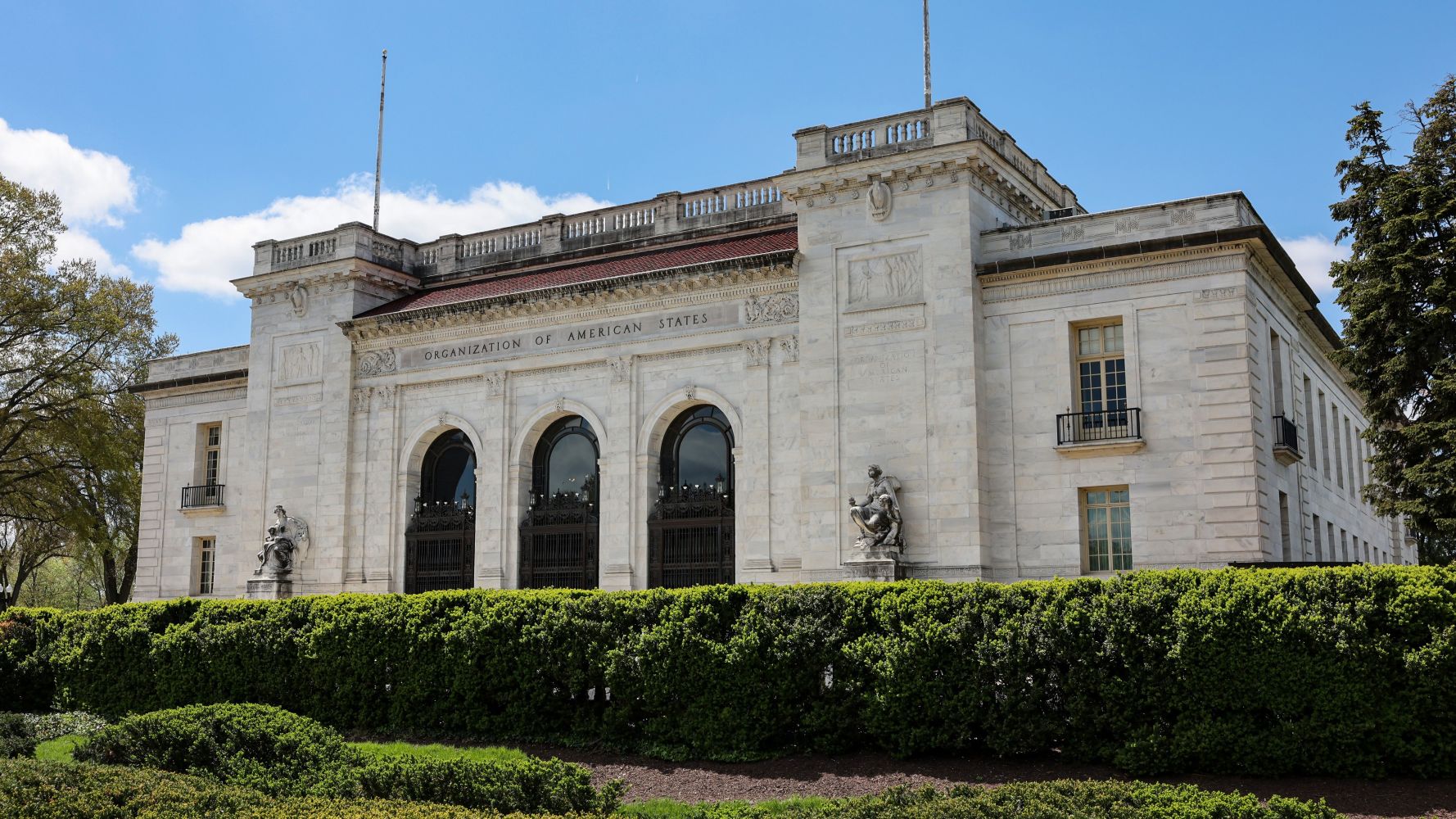
Pan American Union Building in Washington, DC — headquarters of the OAS. Image via Adobe Stock.
July 7, 2026
This year is the 250th anniversary of the U.S., but it is also the 200th anniversary of the Congress of Panama, today the Organization of American States. Adam Ratzlaff examines the history and legacy of the two institutions, and what they teach us about inter–American affairs.
I
n the decades immediately following the signing of the U.S. Declaration of Independence, countries across the Americas began to also demand and fight for their own independence. As the bloody battles for independence came to a close, one of South America’s Founding Fathers, Simón Bolívar invited the leaders of the newly independent nations—including the United States—to Panama City to discuss opportunities for supporting regional cooperation and integration. Two tendencies—the push for sovereign autonomy and regional cooperation—have become embedded within inter–American affairs. When interacting with a nation’s foreign policy, those tendencies are often contradictory. With this year marking the 250th anniversary of the Declaration of Independence and the 200th anniversary of the Congress of Panama, understanding the legacies of these events and the dueling tendencies helps explain the persistent challenges to regional action in the Americas.
Bolívar’s Dream
When countries across the Americas first gained independence, two existential questions quickly emerged. How would they ensure that they maintained their newly won independence? And, without the economic linkages to their former colonial powers, how would these economies thrive?
Simón Bolívar and others viewed unity across the Americas as a potential solution to these problems. According to this vision, unity would provide collective security. Moreover, linking their economies would also benefit all. The dream of a unified continent varied radically from the fissures that were seen in Europe and promised a unique vision for the future of the “New World.”
Nor was Bolívar the only leader that believed in regional cooperation. Foundational U.S. leaders from Jefferson to Monroe wrote of the need for cooperation across the Americas in what has come to be known as the “Western Hemisphere Idea.” Likewise in 1889, the United States invited representatives from across the Americas to the first Pan American Conference in Washington with the goal of promoting regional economic integration. While the full objectives of the conference were never realized, the conference and subsequent Pan American Conferences laid the groundwork for the development of the Inter–American System including the Pan American Union (which would become the Organization of American States in 1948), the Pan American Health Organization, and various functional regional institutions. Over a century later, Washington returned to these ideals and hosted the first Summit of the Americas in 1994.
The Independent and Nationalist Streak
The desire to promote regional integration faced nationalistic headwinds. Leaders from various parts of the Americas sought greater levels of independence and countries across the region fragmented. Gran Colombia soon became Colombia, Ecuador, and Venezuela (and later Panama). Likewise, the Central American Republic would become Guatemala, El Salvador, Honduras, Nicaragua, and Costa Rica. Furthermore, the U.S. vision of Manifest Destiny put it at odds with Latin America. In 1846, the United States’ push westward led to conflict with Mexico and the annexation of half of Mexican territory.
National rivalries, domestic political disputes, and concerns over Yanqui Imperialism would hamper regional integration efforts throughout the 19th and 20th centuries. Even where regional bodies were created—such as through the Organization of American States—concerns over ensuring sovereignty led to competing visions for the purpose of regional bodies; were they to promote cooperation or constrain impulses of the most powerful states in order to protect the sovereignty of smaller states.
Between Sovereignty and Cooperation
The tension between sovereignty and cooperation is a deterrent to deeper regional cooperation. There are many areas where commitments to regional cooperation mean that there will be some interference from regional organizations and other states in the domestic affairs of others. For instance, while countries across the region ratified the Inter–American Democratic Charter in 2001, effectively defending democracy requires interfering in the domestic political processes of countries where undemocratic action occurs. Differences in definitions surrounding democracy and concerns that countries will use “defending democracy” as a pretense for intervention further hamper collective effort to address real problems in the region.
Today, as we reflect on the anniversaries of the Declaration of Independence and the Congress of Panama, we must confront the tensions of liberalism and nationalism. The dreams of founding fathers across the Americas were both to ensure the sovereignty of their nations while strengthening ties across the region. While bridging these two ideas can be difficult, it is not impossible and living up to these Pan American ideals will strengthen countries across the hemisphere.


