


ast year’s 30th annual United Nations Climate Change Conference of the Parties (UNCCC/COP30) in Belém, Brazil was marked by contradictions, contention, and conflict of interests. We reached the first global climate tipping point in 2025, essential ice sheets are melting, and climate tragedies are striking more and more frequently. Yet the UNCCC continues to welcome lobbyists from sectors—such as big tech, agriculture, and fossil fuels— that are accelerating carbon emissions. Though this isn’t a new phenomenon, the convergence of corporations and Indigenous peoples at COP30 illustrates yawning chasms in the credibility and ethics of UNCCC negotiations.
Much like Marrakech’s COP22 that shook the world by inviting fossil fuel corporations to a climate change summit, reports show over 300 agriculture and 1,600 fossil fuel lobbyists were in attendance at COP30—beating the record high attendance of agriculture delegates at COP28. The agriculture industry is responsible for one quarter to a third of global emission, and is the main cause of deforestation in Brazil. Similarly, the fossil fuel industry is responsible for endangering a quarter of the human population—not to mention its ruinous effects on countless ecosystems worldwide.
Like its fossil fuel and agriculture counterparts, the world’s biggest tech companies were there to offer solutions to climate change with the very tools causing the harm. Despite increasing awareness of various movements to resist AI and its resource–guzzling data centers, Google’s Chief Sustainability Officer, Kate Brandt, proposed an AI model that predicts floods and a project to align traffic signals using AI to lower carbon emissions. What's more, these solutions were presented after Google was found lying about its startling increase of carbon emissions from 2019–2024—whicih in turn severely undercut the credibility of their 2021 goal to get emissions down to net zero by 2030.
In addition to the attendance of known environmental adversaries, this year’s summit boasted the largest global participation of Indigenous representatives in the conference's history. Despite their historic presence, only 14% of the 2,500 Indigenous representatives (about 350) were granted access to the restricted Blue Zone for official negotiations that received 42,000 accredited participants. With estimates showing Indigenous people serving as the caretakers of 21% of land on Earth—but less than 1% of Blue Zone attendees—it begs the question of why they had been historically outnumbered by corporate lobbyists at UNCCC for the past 30 years.
For climate activists and Indigenous peoples alike, COP30 was bittersweet. Brazil officially recognized the Kaxuyana’s original territory, the Global Mutirão text was drawn up, and the Intergovernmental Land Tenure Commitment secured land tenure rights for Indigenous and Afrodescendant groups on 160 million hectares for tropical forests worldwide. Despite this, President Lula of Brazil greenlighted an oil drilling project near the Great Amazon Reef System. Many have attributed Indigenous peoples’ wins at COP30 to the estimated 5,000 protestors who sailed the Yaku Mama flotilla, blocked entrances, and stormed into the Blue Zone, to demand their voices be heard.
As COP30 pulled back the curtain on the esteemed global summit, the message became clear—there is no time left for UNCCC to pretend that the same corporations wreaking havoc on the environment can help save it. Effective climate policy requires Indigenous knowledge and leadership.


a global affairs media network
COP30 revealed the paradox of global climate change policy–making
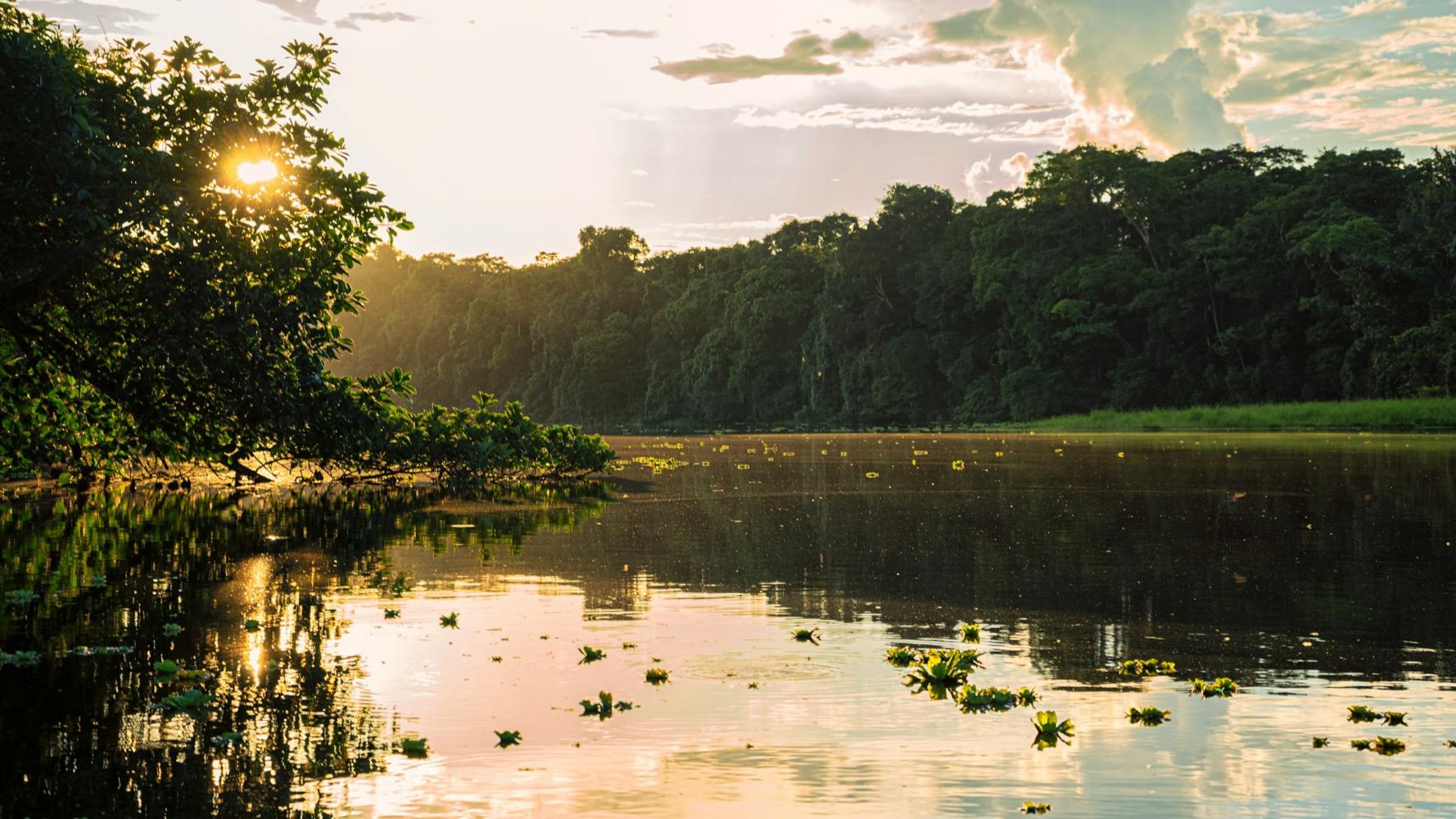
Photo by Andres Medina on Unsplash
January 14, 2026
At COP30, the most polluting sectors sent far more representatives to the climate negotiations than Indigenous groups. This gap grew still further when considering who got Blue Zone passes, which illustrates a core underlying problem, writes Bebel DeMoura Nilo.
L
ast year’s 30th annual United Nations Climate Change Conference of the Parties (UNCCC/COP30) in Belém, Brazil was marked by contradictions, contention, and conflict of interests. We reached the first global climate tipping point in 2025, essential ice sheets are melting, and climate tragedies are striking more and more frequently. Yet the UNCCC continues to welcome lobbyists from sectors—such as big tech, agriculture, and fossil fuels— that are accelerating carbon emissions. Though this isn’t a new phenomenon, the convergence of corporations and Indigenous peoples at COP30 illustrates yawning chasms in the credibility and ethics of UNCCC negotiations.
Much like Marrakech’s COP22 that shook the world by inviting fossil fuel corporations to a climate change summit, reports show over 300 agriculture and 1,600 fossil fuel lobbyists were in attendance at COP30—beating the record high attendance of agriculture delegates at COP28. The agriculture industry is responsible for one quarter to a third of global emission, and is the main cause of deforestation in Brazil. Similarly, the fossil fuel industry is responsible for endangering a quarter of the human population—not to mention its ruinous effects on countless ecosystems worldwide.
Like its fossil fuel and agriculture counterparts, the world’s biggest tech companies were there to offer solutions to climate change with the very tools causing the harm. Despite increasing awareness of various movements to resist AI and its resource–guzzling data centers, Google’s Chief Sustainability Officer, Kate Brandt, proposed an AI model that predicts floods and a project to align traffic signals using AI to lower carbon emissions. What's more, these solutions were presented after Google was found lying about its startling increase of carbon emissions from 2019–2024—whicih in turn severely undercut the credibility of their 2021 goal to get emissions down to net zero by 2030.
In addition to the attendance of known environmental adversaries, this year’s summit boasted the largest global participation of Indigenous representatives in the conference's history. Despite their historic presence, only 14% of the 2,500 Indigenous representatives (about 350) were granted access to the restricted Blue Zone for official negotiations that received 42,000 accredited participants. With estimates showing Indigenous people serving as the caretakers of 21% of land on Earth—but less than 1% of Blue Zone attendees—it begs the question of why they had been historically outnumbered by corporate lobbyists at UNCCC for the past 30 years.
For climate activists and Indigenous peoples alike, COP30 was bittersweet. Brazil officially recognized the Kaxuyana’s original territory, the Global Mutirão text was drawn up, and the Intergovernmental Land Tenure Commitment secured land tenure rights for Indigenous and Afrodescendant groups on 160 million hectares for tropical forests worldwide. Despite this, President Lula of Brazil greenlighted an oil drilling project near the Great Amazon Reef System. Many have attributed Indigenous peoples’ wins at COP30 to the estimated 5,000 protestors who sailed the Yaku Mama flotilla, blocked entrances, and stormed into the Blue Zone, to demand their voices be heard.
As COP30 pulled back the curtain on the esteemed global summit, the message became clear—there is no time left for UNCCC to pretend that the same corporations wreaking havoc on the environment can help save it. Effective climate policy requires Indigenous knowledge and leadership.


