


nder the Radar is a weekly special series bringing you compelling, under–the–radar stories from around the world, one region at a time. This week in Europe: the UK spent over £1 billion turning wind farms on and off, drawing attention to lacking grid infrastructure. Other noteworthy under–the–radar stories from the region include Denmark’s promised compensation for Indigenous Greenland women, Germany’s railway investment, and the Netherlands’ scientists’ development of an artificial womb.
In 2025, the UK's renewable electricity increased to 54.7% of total electricity generation, a 7% increase from 2024. The increase in renewable energy was primarily driven by wind and solar energy, with total wind generation up 7.3% in a single quarter. There was zero coal in 2025’s electricity generation, although gas was the second–highest contributor after wind energy. Still, the UK has made immense progress in transitioning to renewable energy, and the government is continuing to invest in these sources, allocating £22 billion to eight offshore wind farms in January 2026. The government suggests that the investment will support 7,000 jobs and generate electricity for 12 million homes by the end of the decade. Unfortunately the industry may be a victim of its own success, with wind energy production capacity outpacing infrastructure. It’s a problem that UK utility Octopus Energy says is expensive, leading to government requirements to shut wind farms down on especially windy days. Octopus Energy’s Wasted Wind Ticker shows that in 2025, £1,467,023,332 was spent turning wind farms on and off. The National Electricity System Operator (NESO) estimates the amount could reach £8 billion by 2030. The UK’s largest wind farm, Seagreen in Scotland, was paid £65 million by the government in 2024 for not generating electricity 71% of the time.
A primary reason for the shut–offs is the location of the wind farms, which are typically far from where most energy is needed. Northern Scotland hosts many wind farms thanks to Scotland’s supportive government and naturally windy climate, producing more electricity from wind than the country needed for the first time in 2022. Excess generated electricity hasn’t been very useful so far, however, as, Britain’s transmission grid lacks the needed infrastructure to move vast amounts of electricity from Scotland’s wind farms. Initially built to dispatch fossil fuel energy from plants close to the towns they supplied, Britain's grid has multiple “bottlenecks” with a maximum capacity, risking instability that could lead to blackouts or other malfunctions. When wind farms are producing too much energy for the grid to handle, the NESO has to tell them to turn off.
In December 2025, Britain’s Office of Gas and Electricity Markets approved an initial £28 billion budget over five years to invest in upgrading electricity and gas grids.
Here are some other under–the–radar stories from Europe:
- Denmark announced that the government will compensate Indigenous women in Greenland who were forcibly given contraception between 1960 and 1961.
- Germany’s government will invest €100 billion in railways by 2029, hoping to improve its trains after essentially 28 years of neglect.
- Neonatologists in the Netherlands are developing an artificial womb to improve the survival chances of preterm babies.


a global affairs media network
The UK is facing a costly wind energy dilemma
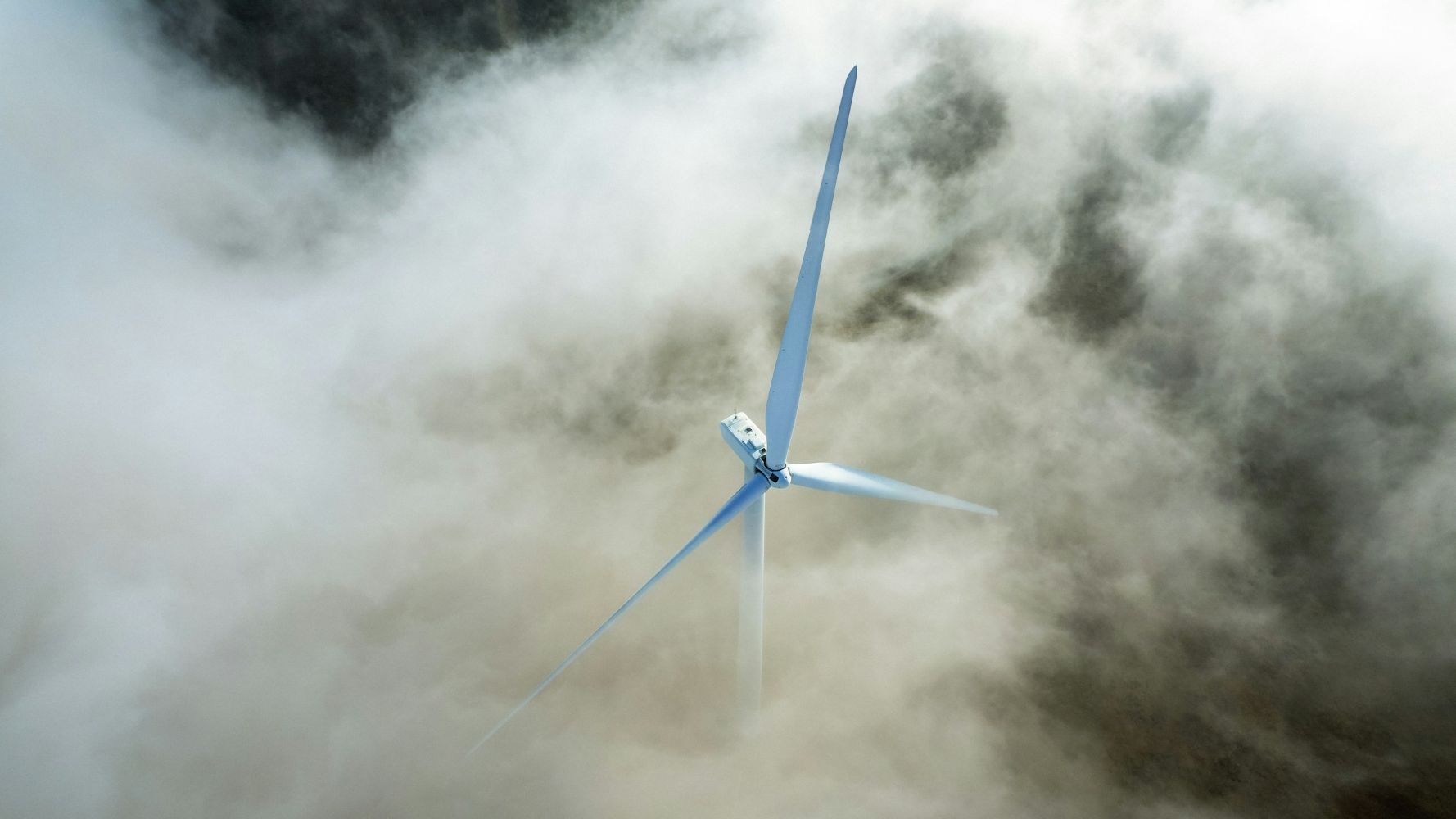
Image by Casey Horner via Unsplash+
January 16, 2026
Diplomatic Courier’s Stephanie Gull brings you weekly under–the–radar stories from around the world. This week in Europe: Bottlenecks in the UK’s electric grid means windy days cost Scotland’s offshore wind industry over £1 billion in 2025.
U
nder the Radar is a weekly special series bringing you compelling, under–the–radar stories from around the world, one region at a time. This week in Europe: the UK spent over £1 billion turning wind farms on and off, drawing attention to lacking grid infrastructure. Other noteworthy under–the–radar stories from the region include Denmark’s promised compensation for Indigenous Greenland women, Germany’s railway investment, and the Netherlands’ scientists’ development of an artificial womb.
In 2025, the UK's renewable electricity increased to 54.7% of total electricity generation, a 7% increase from 2024. The increase in renewable energy was primarily driven by wind and solar energy, with total wind generation up 7.3% in a single quarter. There was zero coal in 2025’s electricity generation, although gas was the second–highest contributor after wind energy. Still, the UK has made immense progress in transitioning to renewable energy, and the government is continuing to invest in these sources, allocating £22 billion to eight offshore wind farms in January 2026. The government suggests that the investment will support 7,000 jobs and generate electricity for 12 million homes by the end of the decade. Unfortunately the industry may be a victim of its own success, with wind energy production capacity outpacing infrastructure. It’s a problem that UK utility Octopus Energy says is expensive, leading to government requirements to shut wind farms down on especially windy days. Octopus Energy’s Wasted Wind Ticker shows that in 2025, £1,467,023,332 was spent turning wind farms on and off. The National Electricity System Operator (NESO) estimates the amount could reach £8 billion by 2030. The UK’s largest wind farm, Seagreen in Scotland, was paid £65 million by the government in 2024 for not generating electricity 71% of the time.
A primary reason for the shut–offs is the location of the wind farms, which are typically far from where most energy is needed. Northern Scotland hosts many wind farms thanks to Scotland’s supportive government and naturally windy climate, producing more electricity from wind than the country needed for the first time in 2022. Excess generated electricity hasn’t been very useful so far, however, as, Britain’s transmission grid lacks the needed infrastructure to move vast amounts of electricity from Scotland’s wind farms. Initially built to dispatch fossil fuel energy from plants close to the towns they supplied, Britain's grid has multiple “bottlenecks” with a maximum capacity, risking instability that could lead to blackouts or other malfunctions. When wind farms are producing too much energy for the grid to handle, the NESO has to tell them to turn off.
In December 2025, Britain’s Office of Gas and Electricity Markets approved an initial £28 billion budget over five years to invest in upgrading electricity and gas grids.
Here are some other under–the–radar stories from Europe:
- Denmark announced that the government will compensate Indigenous women in Greenland who were forcibly given contraception between 1960 and 1961.
- Germany’s government will invest €100 billion in railways by 2029, hoping to improve its trains after essentially 28 years of neglect.
- Neonatologists in the Netherlands are developing an artificial womb to improve the survival chances of preterm babies.


