


his year pushed the Philippines to another breaking point in its long struggle with institutional decay. After yet another climate change–driven storm devastated communities across the country, thousands of Filipinos found themselves stranded in flooded homes, unsafe evacuation centers, and isolated barangays cut off from basic services. As the waters rose, so did the public anger—and this time, people stopped blaming the weather. They accused the government.
The Trillion Peso March, held on 21 September 2025 and 30 November 2025, mobilized thousands of anti–corruption advocates, academics, celebrities, civil society, Gen Z, labor groups, and religious groups across Metro Manila and provincial cities. The protest followed revelations of massive fraud in flood–control projects, exposing how key national priorities such as health, education, and major infrastructure were undercut as legislators rerouted funds into scattered “flood control” projects that were poorly assessed, hard to monitor, and sometimes entirely fabricated.
The scandal confirmed what Filipinos have long known: Disasters in the Philippines are not purely natural. They are made deadlier by the absence of integrated planning, chronic incompetence, and misuse of public funds. People did not march for abstract principles–they marched because their taxes were stolen, their risks ignored, and their lives treated as expendable.
The real crisis is not the storms; it is institutions collapsing under the weight of their own negligence.
The rot extends far beyond flood–control issues. Tensions in the West Philippine Sea continue to escalate while coastal communities remain unprotected. ASEAN remains stuck in paralysis—the Myanmar crisis unresolved, maritime coercion unaddressed, and climate cooperation stagnant. Regional leaders release statements; Filipino communities are told, once again, to “be resilient,” a phrase that has become an indicator of state neglect.
These protests echo a global pattern of citizens demanding accountability from institutions that no longer earn public trust.
At the same time, disinformation erodes democratic checks faster than reforms can take shape. While political elites debate narratives, ordinary Filipinos absorb the costs of every failed policy and every corrupt decision.
The lesson of 2025 is blunt: The Philippines does not lack solutions. It lacks institutions with the courage to change. They lose relevance because they refuse to share power, listen to affected communities, or act with urgency. Corruption, bureaucratic arrogance, and outdated crisis governance keep the country trapped in avoidable suffering.
Moving forward, the Philippines must:
- Invest in AI–driven planning tools for climate–adaptive and disaster–resilient cities.
- Build disaster governance systems that are transparent, audit–proof, and community–driven.
- Treat corruption as the national security threat it has always been.
- Close the gap between policymakers and the communities living with the consequences of their decisions.
Rebuilding trust will not come from slogans or new committees. Trust returns when institutions stop performing and start delivering; when they stop demanding resilience and start ensuring safety; when they stop using communities as symbols and start treating them as partners. Until then, the people will continue to lead—and institutions will have no choice but to follow. Power is never lost to storms, only to leaders who don’t deserve it.


a global affairs media network
The Philippines challenge isn’t the storms, it’s the corruption
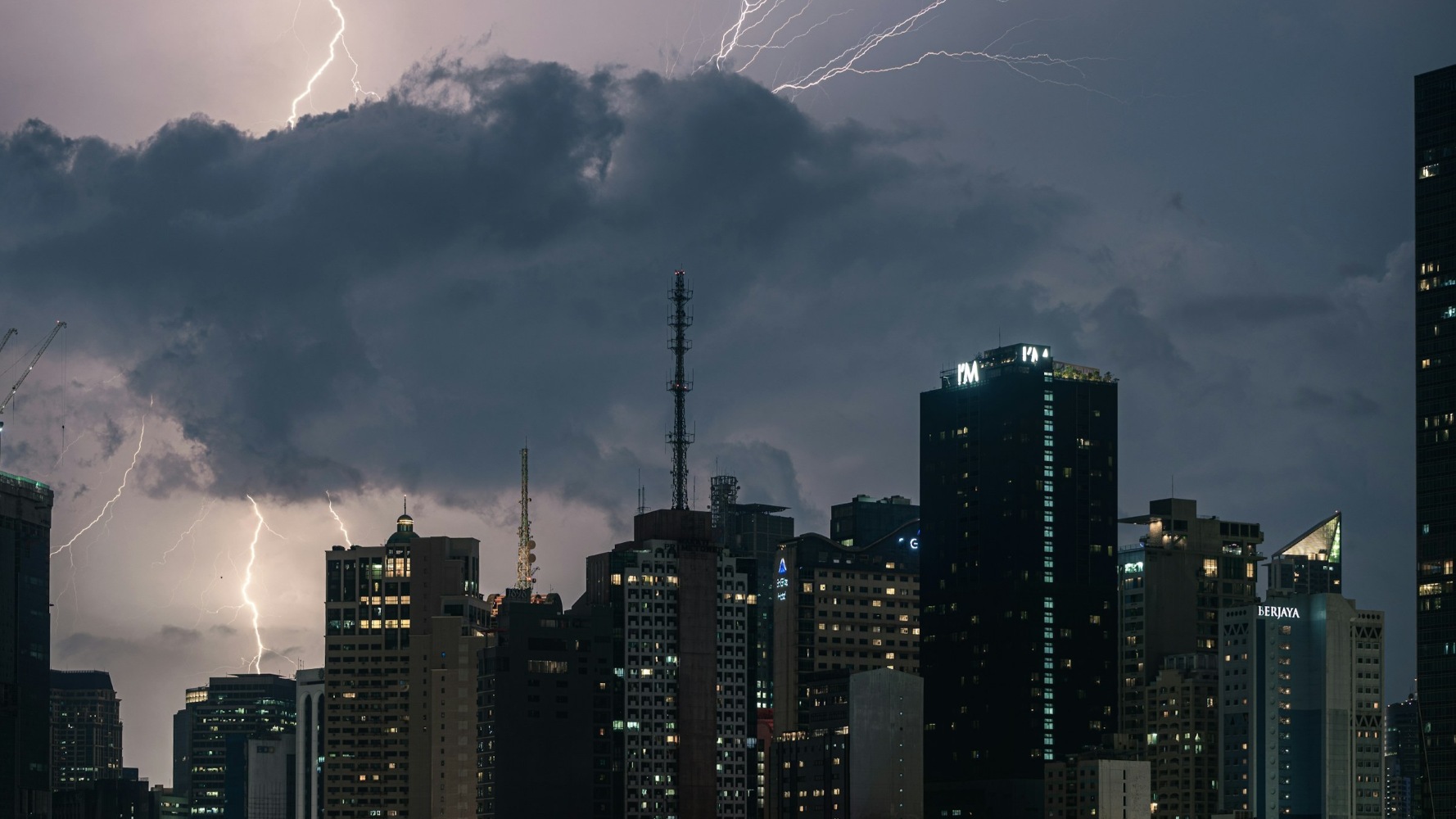
Photo by Dmitry Voronov on Unsplash.
December 2, 2025
The Philippines is not being undone by storms but by institutional failure decades in the making. Protests show citizens require transparent, community-centered institutions willing to confront entrenched corruption and rebuild public trust, writes Jamila–Aisha P. Sanguila.
T
his year pushed the Philippines to another breaking point in its long struggle with institutional decay. After yet another climate change–driven storm devastated communities across the country, thousands of Filipinos found themselves stranded in flooded homes, unsafe evacuation centers, and isolated barangays cut off from basic services. As the waters rose, so did the public anger—and this time, people stopped blaming the weather. They accused the government.
The Trillion Peso March, held on 21 September 2025 and 30 November 2025, mobilized thousands of anti–corruption advocates, academics, celebrities, civil society, Gen Z, labor groups, and religious groups across Metro Manila and provincial cities. The protest followed revelations of massive fraud in flood–control projects, exposing how key national priorities such as health, education, and major infrastructure were undercut as legislators rerouted funds into scattered “flood control” projects that were poorly assessed, hard to monitor, and sometimes entirely fabricated.
The scandal confirmed what Filipinos have long known: Disasters in the Philippines are not purely natural. They are made deadlier by the absence of integrated planning, chronic incompetence, and misuse of public funds. People did not march for abstract principles–they marched because their taxes were stolen, their risks ignored, and their lives treated as expendable.
The real crisis is not the storms; it is institutions collapsing under the weight of their own negligence.
The rot extends far beyond flood–control issues. Tensions in the West Philippine Sea continue to escalate while coastal communities remain unprotected. ASEAN remains stuck in paralysis—the Myanmar crisis unresolved, maritime coercion unaddressed, and climate cooperation stagnant. Regional leaders release statements; Filipino communities are told, once again, to “be resilient,” a phrase that has become an indicator of state neglect.
These protests echo a global pattern of citizens demanding accountability from institutions that no longer earn public trust.
At the same time, disinformation erodes democratic checks faster than reforms can take shape. While political elites debate narratives, ordinary Filipinos absorb the costs of every failed policy and every corrupt decision.
The lesson of 2025 is blunt: The Philippines does not lack solutions. It lacks institutions with the courage to change. They lose relevance because they refuse to share power, listen to affected communities, or act with urgency. Corruption, bureaucratic arrogance, and outdated crisis governance keep the country trapped in avoidable suffering.
Moving forward, the Philippines must:
- Invest in AI–driven planning tools for climate–adaptive and disaster–resilient cities.
- Build disaster governance systems that are transparent, audit–proof, and community–driven.
- Treat corruption as the national security threat it has always been.
- Close the gap between policymakers and the communities living with the consequences of their decisions.
Rebuilding trust will not come from slogans or new committees. Trust returns when institutions stop performing and start delivering; when they stop demanding resilience and start ensuring safety; when they stop using communities as symbols and start treating them as partners. Until then, the people will continue to lead—and institutions will have no choice but to follow. Power is never lost to storms, only to leaders who don’t deserve it.


