


nder the Radar is a weekly special series bringing you compelling, under–the–radar stories from around the world, one region at a time. This week in Asia: South Korea’s government announced plans to improve work–life balance, but critics are concerned about the impact on small and medium enterprises. Other noteworthy under–the–radar stories from the region include a new Bollywood blockbuster exacerbating tensions between India and Pakistan, the first meeting of the WHO’s new group to study traditional medicine, and Turkmenistan’s legalization of crypto mining.
According to the OECD, South Korea was the fifth–most overworked country in the world in 2022. Yet in 2023, South Korea’s government proposed extending the workweek to six days, totaling 69 hours per week. The plan faced immense backlash, forcing the government to rethink the decision. South Korean youths were especially vocal about their exhaustion with South Korea’s work culture and lack of work–life balance. A 2020 study found a direct link between long working hours and worsening mental health in South Korean youths. A September 2025 study of South Korean small and medium enterprise workers found that a negative work culture and long hours contributed to workplace burnout, affecting almost 40% of full–time employees in South Korea, according to a 2022 survey. In 2024, South Korea recorded 1,859 real working hours, compared with the OECD’s average of 1,708 hours. A September 2025 study found that, despite well above average real working hours, South Korea ranks only 22nd out of 36 countries in labor productivity, falling below countries that currently implement or are debating a four–day workweek. Now, South Korea’s government seems intent on improving the country’s workplace culture, announcing new legislation on December 30, 2025, to bring real working hours closer to the global average by 2030.
The main change in the legislation is the “right to disconnect,” which will be added to the government’s Working Hours Reduction Support Act. This will legally protect workers from having to reply to work messages after working hours. The government also plans on revising the Labor Standards Act to officially introduce half–day leave and to prevent misuse of the “comprehensive wage system.” Currently, the comprehensive wage system pays workers predetermined wages, regardless of the number of hours they have actually worked. In revising the Labor Standards Act, the government will tighten regulations on the use of the comprehensive wage system, ideally allowing it only when workers consent, and the pay is greater than they would make if overtime hours were included.
Critics of the new legislation are concerned about the impact these changes will have on small and medium enterprises, as stricter stipulations on recording working hours may force smaller companies to hire people solely to record working hours. This would be especially difficult amid rising labor costs in South Korea, and some critics suggest that some companies may move overseas to avoid the additional costs.
Here are some other under–the–radar stories from Asia:
- A new Bollywood blockbuster is exacerbating tensions between India and Pakistan.
- In late December 2025, the WHO’s new Strategic and Technical Advisory Group on Traditional, Complementary, and Integrative Medicine convened in New Delhi.
- At the start of the new year, Turkmenistan legalized crypto mining to reduce its country’s dependency on natural gas exports.


a global affairs media network
South Korea to reduce real working hours
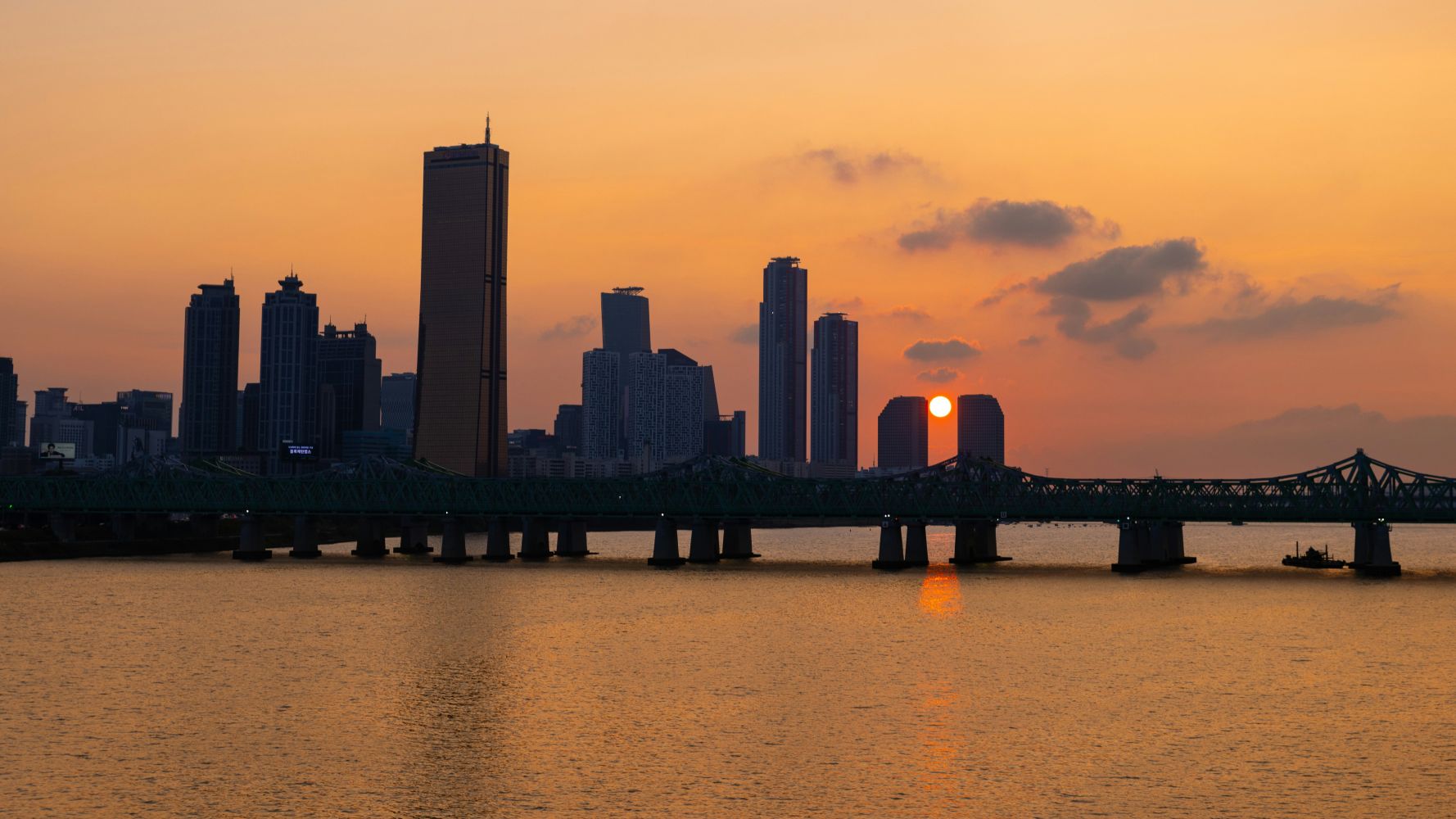
Image via Unsplash+
January 9, 2026
Diplomatic Courier’s Stephanie Gull brings you weekly under–the–radar stories from around the world. This week in Asia: South Korea seeks to address workplace burnout—which affects nearly 40% of full–time working adults nationally.
U
nder the Radar is a weekly special series bringing you compelling, under–the–radar stories from around the world, one region at a time. This week in Asia: South Korea’s government announced plans to improve work–life balance, but critics are concerned about the impact on small and medium enterprises. Other noteworthy under–the–radar stories from the region include a new Bollywood blockbuster exacerbating tensions between India and Pakistan, the first meeting of the WHO’s new group to study traditional medicine, and Turkmenistan’s legalization of crypto mining.
According to the OECD, South Korea was the fifth–most overworked country in the world in 2022. Yet in 2023, South Korea’s government proposed extending the workweek to six days, totaling 69 hours per week. The plan faced immense backlash, forcing the government to rethink the decision. South Korean youths were especially vocal about their exhaustion with South Korea’s work culture and lack of work–life balance. A 2020 study found a direct link between long working hours and worsening mental health in South Korean youths. A September 2025 study of South Korean small and medium enterprise workers found that a negative work culture and long hours contributed to workplace burnout, affecting almost 40% of full–time employees in South Korea, according to a 2022 survey. In 2024, South Korea recorded 1,859 real working hours, compared with the OECD’s average of 1,708 hours. A September 2025 study found that, despite well above average real working hours, South Korea ranks only 22nd out of 36 countries in labor productivity, falling below countries that currently implement or are debating a four–day workweek. Now, South Korea’s government seems intent on improving the country’s workplace culture, announcing new legislation on December 30, 2025, to bring real working hours closer to the global average by 2030.
The main change in the legislation is the “right to disconnect,” which will be added to the government’s Working Hours Reduction Support Act. This will legally protect workers from having to reply to work messages after working hours. The government also plans on revising the Labor Standards Act to officially introduce half–day leave and to prevent misuse of the “comprehensive wage system.” Currently, the comprehensive wage system pays workers predetermined wages, regardless of the number of hours they have actually worked. In revising the Labor Standards Act, the government will tighten regulations on the use of the comprehensive wage system, ideally allowing it only when workers consent, and the pay is greater than they would make if overtime hours were included.
Critics of the new legislation are concerned about the impact these changes will have on small and medium enterprises, as stricter stipulations on recording working hours may force smaller companies to hire people solely to record working hours. This would be especially difficult amid rising labor costs in South Korea, and some critics suggest that some companies may move overseas to avoid the additional costs.
Here are some other under–the–radar stories from Asia:
- A new Bollywood blockbuster is exacerbating tensions between India and Pakistan.
- In late December 2025, the WHO’s new Strategic and Technical Advisory Group on Traditional, Complementary, and Integrative Medicine convened in New Delhi.
- At the start of the new year, Turkmenistan legalized crypto mining to reduce its country’s dependency on natural gas exports.


